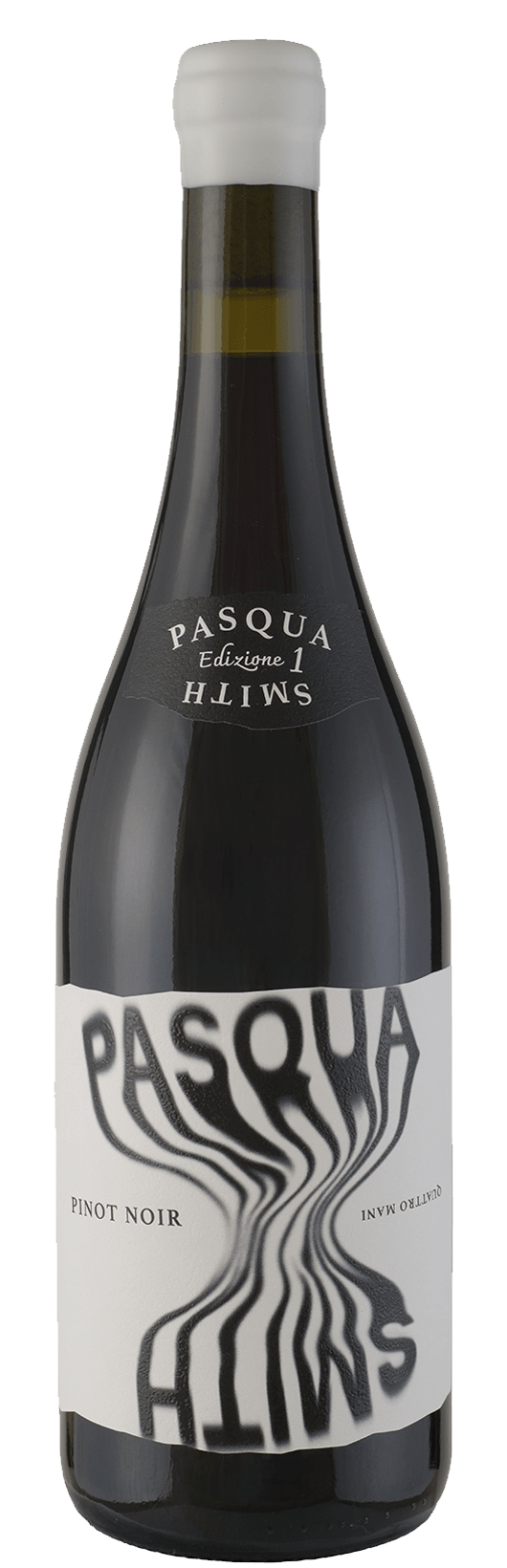
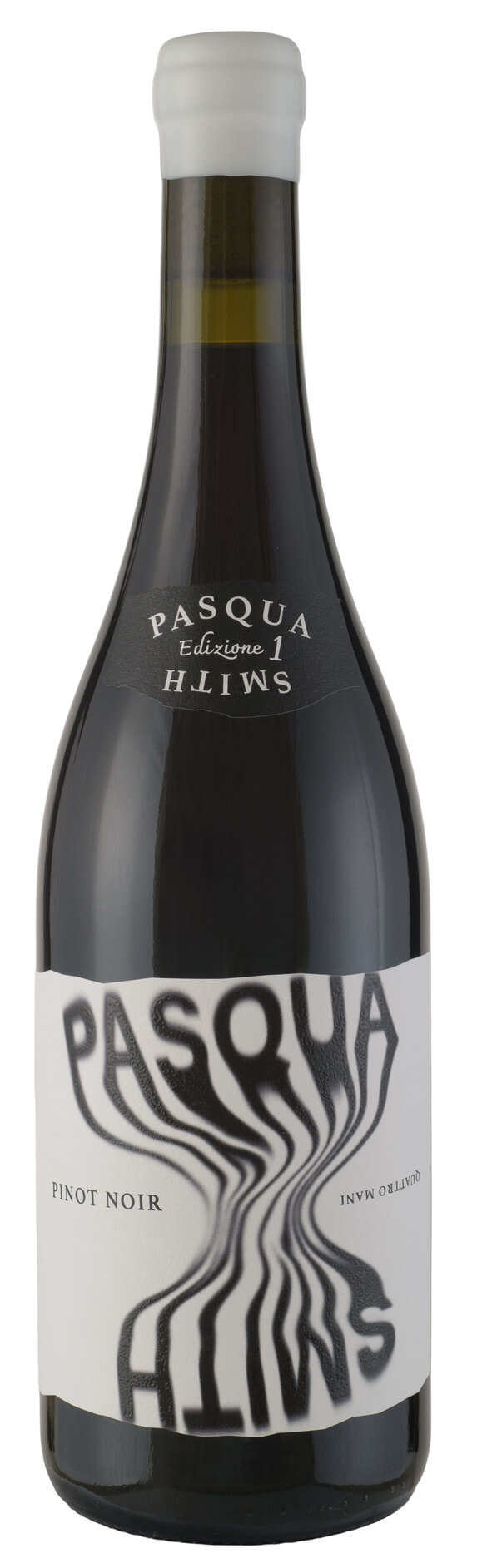
Quattromani

After being harvested by hand, the grapes are crushed and destemmed. This is followed by cold maceration for a couple of hours. Fermentation takes place at 20–22°C, with 3–4 punch-downs per day.
After two days of fermentation, the grape seeds are removed from the bottom of the vat to prevent the addition of overly astringent tannins.
After 15–20 days of fermentation and maceration, the wine is racked and transferred. The wine is then split in two parts, one aged in tonneaux for two years and the other one in barriques for one year. Malolactic fermentation also takes place during this ageing period.
The oak used is French, first-fill, with light toasting. The vintage is then blended in steel, where it remains for 2–3 months to stabilise. The vintages are subsequently blended in steel, followed by bottling.
The nose is spicy, with notes of black pepper and cardamom, and the herbaceous freshness of a freshly mown lawn.
The oak is unobtrusive and complements the blackcurrants and wild strawberries.
It enters the mouth with a fresh attack; the tannins are neither overpowering nor harsh. The blend of vintages makes the wine very approachable on the palate.
CAMPIANO
VINEYARD
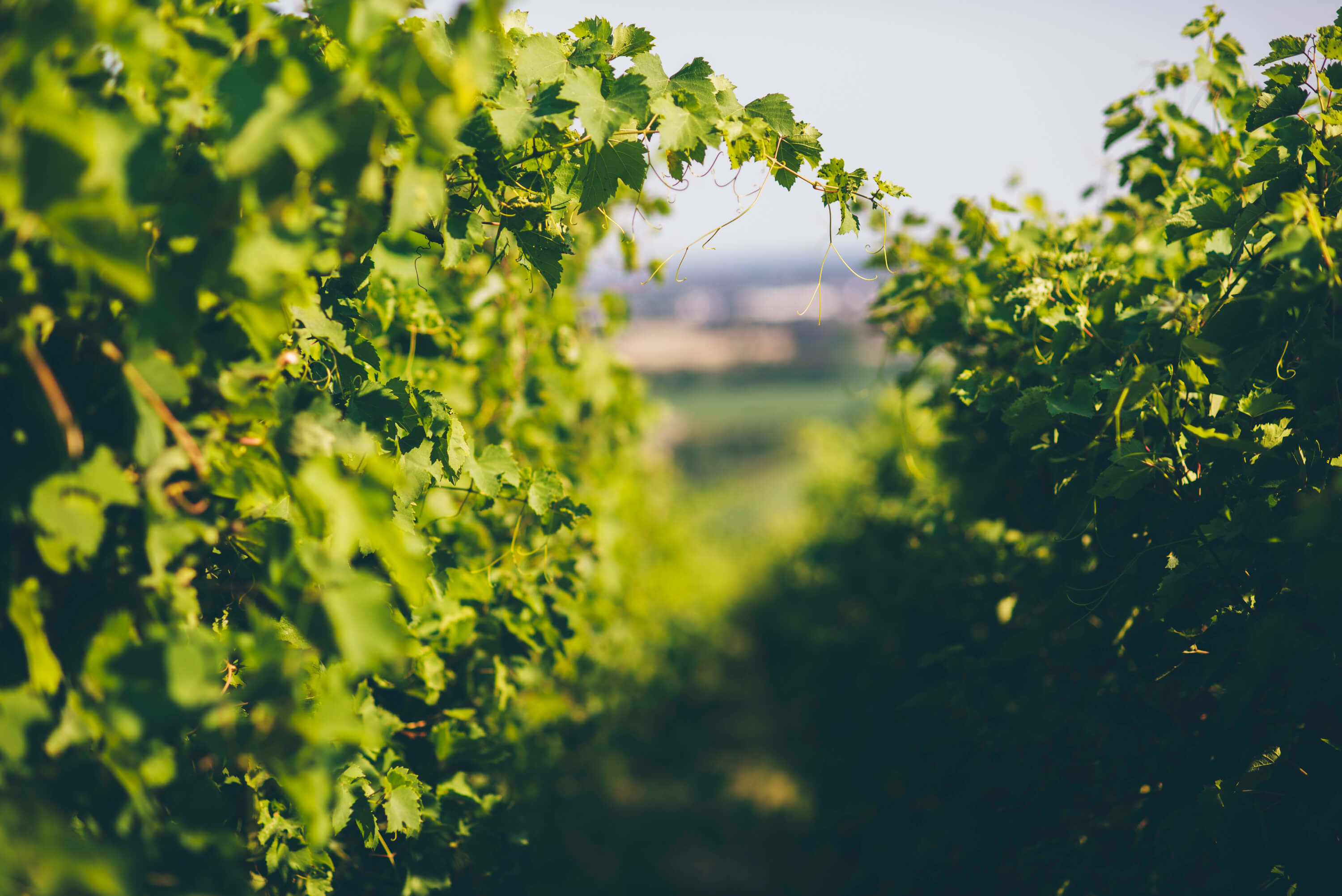
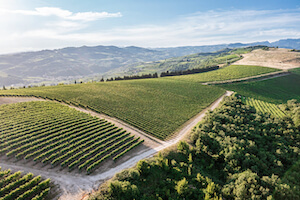
The Campiano vineyard is situated at an altitude of around 600 metres above sea level in the San Giovanni Ilarione area, facing south-west. The soil is clay-limestone with a volcanic component. The vines are planted in the ‘ritocchino’ pattern, trained using the Guyot method, and at a low planting density. The vineyard enjoys a particularly cool microclimate, which helps maintain an excellent sugar-acid balance even in very hot vintages.
AWARDS